Overview
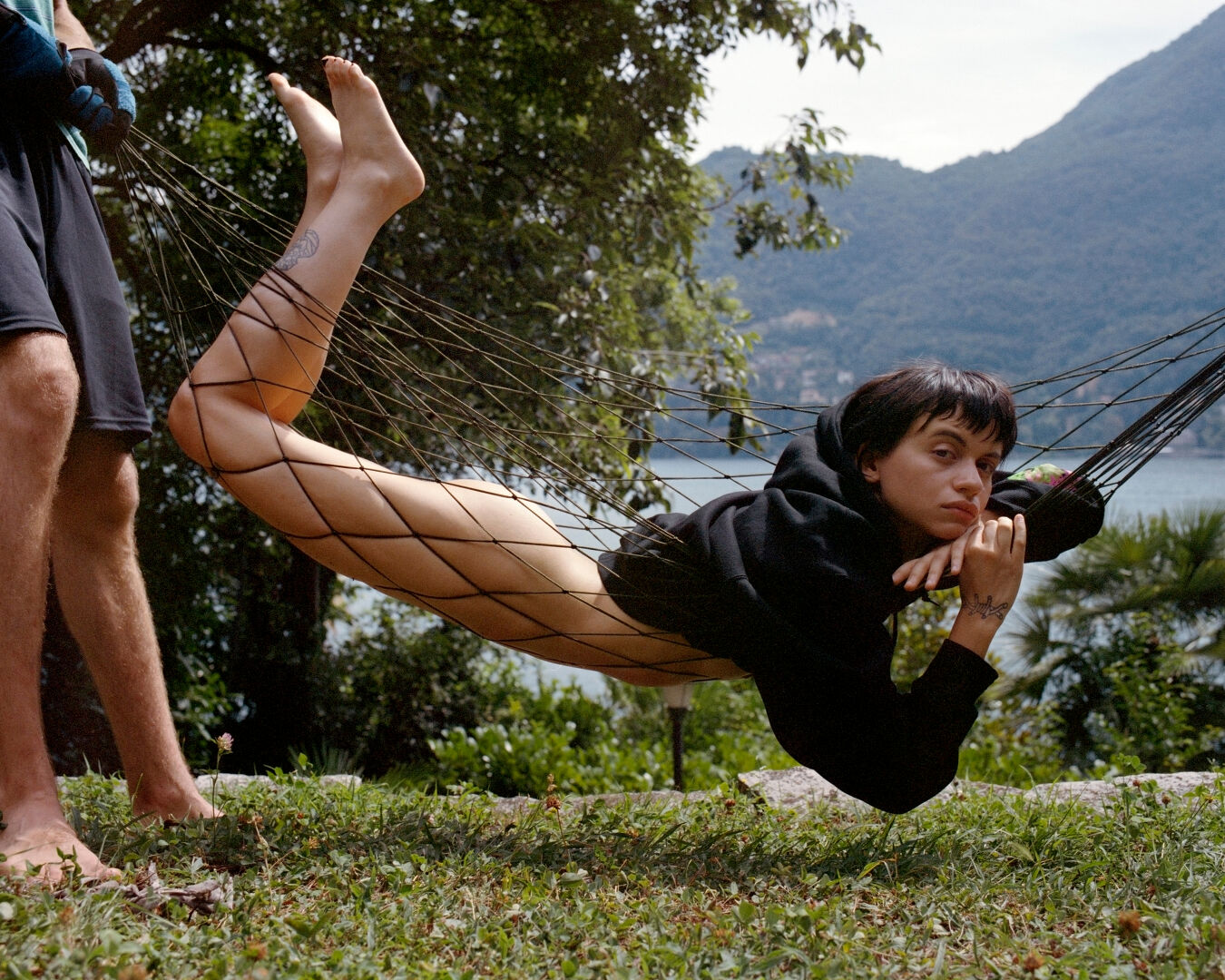
Allyssa Heuzé is a Paris-based photographer whose work transforms fleeting, everyday moments into intimate visual narratives. Named by the British Fashion Council as one of the industry’s leading New Wave creatives, she crafts imagery that oscillates between instinct and intention, balancing spontaneity with deliberate composition, drawn to in between moments and natural interactions, carrying subtle narrative and emotional resonance.Through this singular visual language, Heuzé has received international recognition at the Hyères International Festival and spans collaborations with editorial and commercial clients including POP Magazine, D La Repubblica, Alla Carta, Bottega Veneta, Louis Vuitton, AMI, ELLISS, and Hermès.@allyssaheuze
Allyssa Heuzé is a Paris-based photographer whose work transforms fleeting, everyday moments into intimate visual narratives. Named by the British Fashion Council as one of the industry’s leading New Wave creatives, she crafts imagery that oscillates between instinct and intention, balancing spontaneity with deliberate composition, drawn to in between moments and natural interactions, carrying subtle narrative and emotional resonance.Through this singular visual language, Heuzé has received international recognition at the Hyères International Festival and spans collaborations with editorial and commercial clients including POP Magazine, D La Repubblica, Alla Carta, Bottega Veneta, Louis Vuitton, AMI, ELLISS, and Hermès.@allyssaheuze
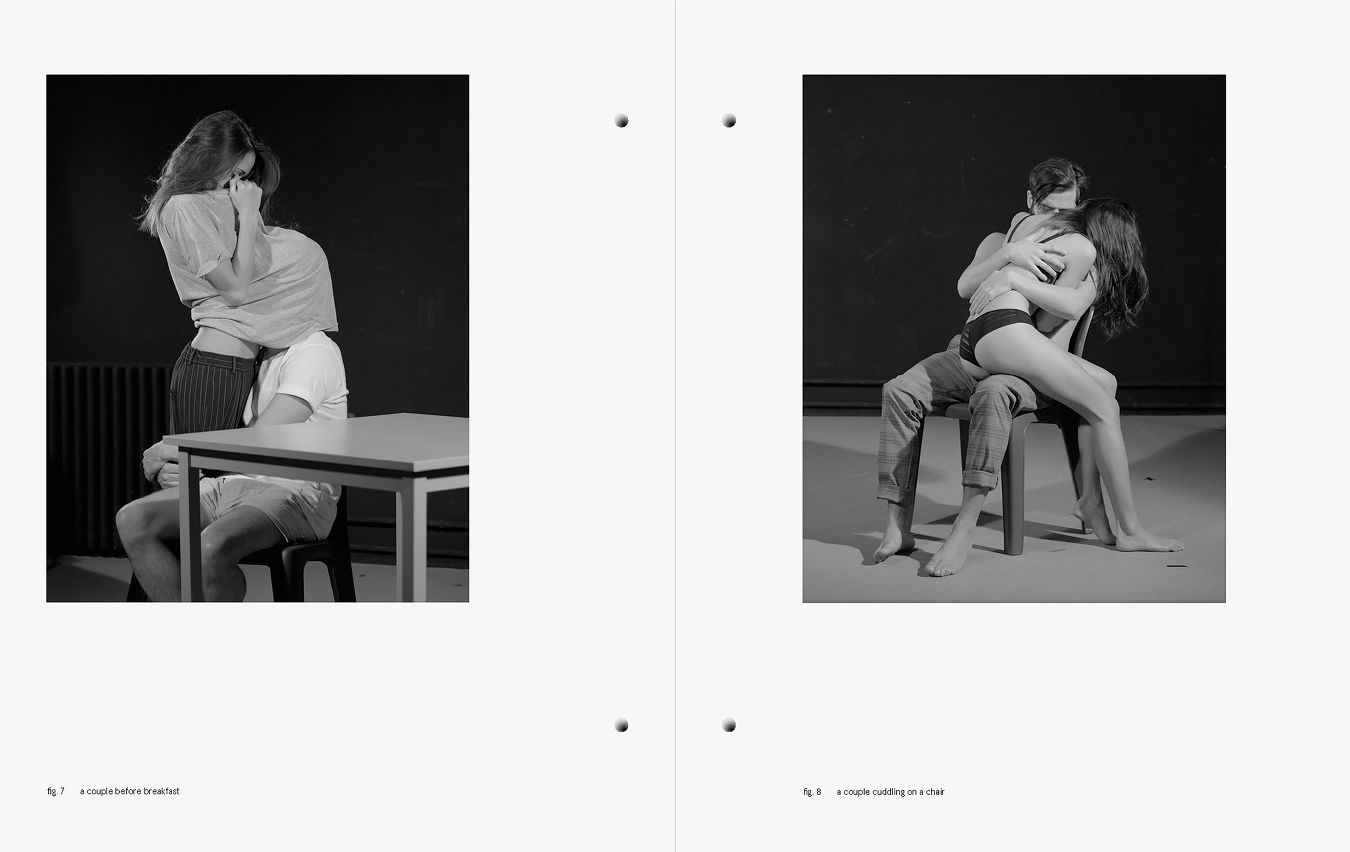
In OÏ, we see the vision of a young, female photographer thinking about another way of approaching sex by trying to completely strip it of everything pornographic and carnal, and rendering it playful, sometimes amusing. This work calls on expressions, metaphors, and images made in different photographic styles, from still lifes to figures, in between a documentary and staged aesthetic. Its primary intention is to open up a dialogue with the viewers, inviting them to question their own view of the act of mating; this awakens their views and makes them question their own way of approaching sex. By desacralizing the subject, the goal is to render it understandable and approachable, trying to create an ensemble of images that reference and suggest coitus without ever directly mentioning it. This is all thanks to an association of the daily objects while trying to have a deceptively naive or carefree view.